
Understanding Healthy Food: The Foundations
What Defines Healthy Food?
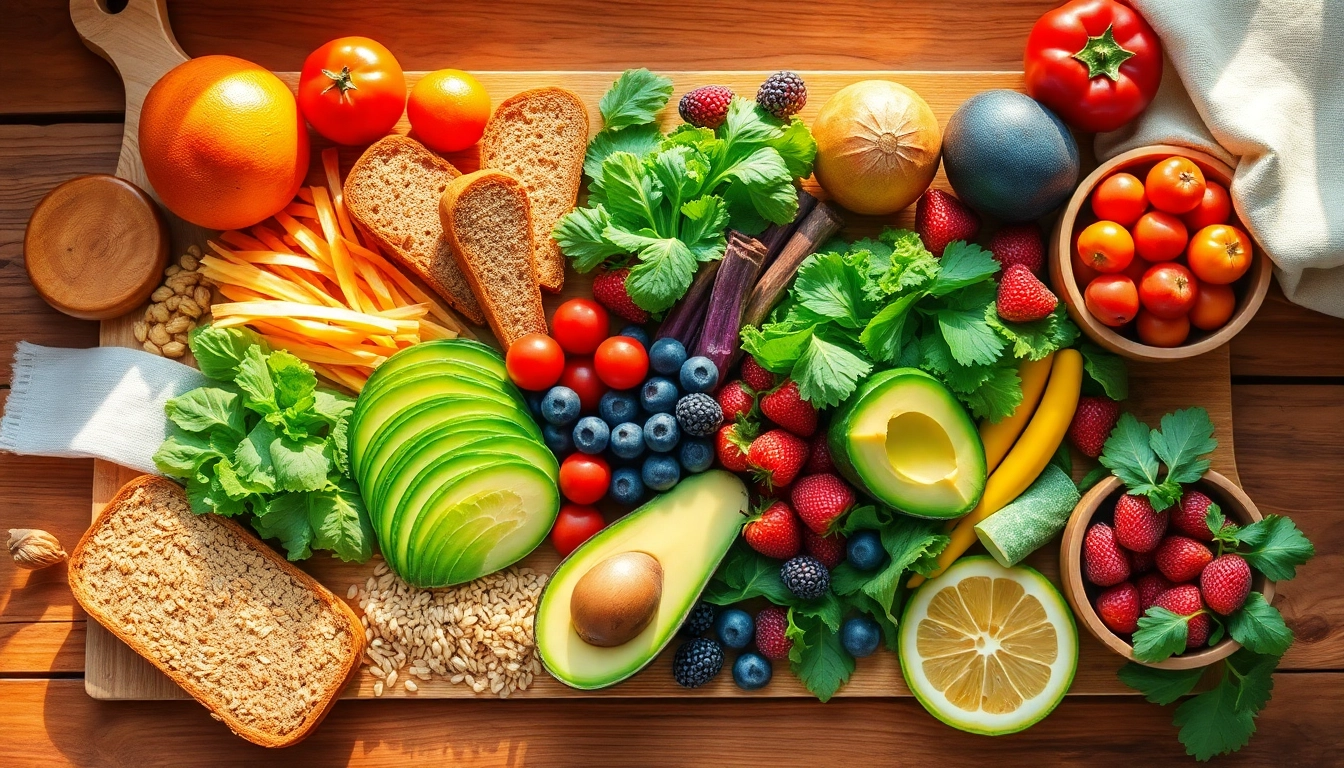
Healthy food is often characterized by its nutritional density and the ability to provide essential nutrients while minimizing unhealthy components. At its core, healthy food encompasses a variety of fresh fruits and vegetables, whole grains, lean proteins, and healthy fats. These components work together to support overall health and well-being.
While the exact definition of healthy food can vary, general consensus among nutrition experts emphasizes the importance of consuming foods that are minimally processed and high in vitamins, minerals, fiber, and antioxidants. The aim is to choose foods that contribute positively to one’s health, reducing the risk of chronic diseases such as heart disease, diabetes, and obesity.
The Role of Nutrition in a Healthy Diet
Nutrition plays a vital role in maintaining health and supporting bodily functions. A balanced diet, rich in essential nutrients, ensures that the body has the necessary tools to thrive. Key nutrients such as carbohydrates, proteins, fats, vitamins, and minerals all have specific functions. For instance, carbohydrates provide energy, while proteins are crucial for building and repairing tissues.
Additionally, an adequate intake of vitamins and minerals supports vital processes within the body, such as the immune system, bone health, and cellular repair. Healthy Food choices that include a variety of food groups help ensure that nutritional needs are met, creating a strong foundation for health.
Common Myths About Healthy Eating
Despite the wealth of information available about nutrition, several myths about healthy eating still persist. One common misconception is that healthy food is bland or unappetizing. In reality, healthy eating can be both delicious and satisfying. Another myth is that all fats are bad for you; however, healthy fats, found in foods like avocados, nuts, and olive oil, are essential for heart health and overall well-being.
Another prevalent myth is that one must eliminate all carbohydrates to eat healthy. Carbohydrates, especially whole grains, fruits, and vegetables, are crucial for providing energy and nutrients. Understanding these myths can help individuals make informed choices about their diets and foster a healthier relationship with food.
Top 10 Healthy Foods to Incorporate Daily
Fruits and Vegetables: Nature’s Powerhouses
Fruits and vegetables are bursting with vitamins, minerals, and antioxidants. They are low in calories and high in fiber, making them ideal for weight management and overall health. Dark leafy greens like spinach and kale are rich in iron and calcium, while colorful fruits like berries and oranges provide a great source of vitamin C and antioxidants.
Incorporating a wide variety of colors into your plate not only enhances its visual appeal but also ensures a diverse intake of nutrients. Aim for at least five servings of fruits and vegetables per day to improve digestion, boost immunity, and reduce the risk of chronic diseases.
Whole Grains: Benefits for Your Digestive Health
Whole grains, such as brown rice, quinoa, and oats, are unrefined grains that retain their outer bran layer and germ, providing essential nutrients and fiber. They are a great source of B vitamins, iron, and magnesium, supporting energy production and metabolism.
Research shows that whole grains can help reduce the risk of heart disease, type 2 diabetes, and certain cancers. Regular consumption of whole grains contributes to better digestive health and assists in maintaining a healthy weight. Switching from refined grains to whole grains is a simple yet impactful way to improve overall dietary quality.
Lean Proteins: Fueling Your Body Right
Proteins are vital for muscle repair, immune function, and hormone production. Lean protein sources, such as chicken, turkey, fish, lentils, and beans, provide necessary building blocks for the body without the added saturated fats associated with red meat.
Incorporating a variety of protein sources can help meet dietary requirements and enhance meal satisfaction. Consuming protein at each meal can aid in weight management by promoting a feeling of fullness and reducing cravings.
Healthy Food Preparation Methods
Baking vs. Frying: What’s Healthier?
Cooking methods can significantly affect the nutritional quality of food. Baking is generally seen as a healthier option compared to frying, as it uses less fat and preserves more nutrients. Fried foods often contain trans fats and unhealthy oils that can lead to various health issues when consumed excessively.
Using alternative cooking methods such as steaming, grilling, or sautéing with minimal healthy oils can enhance the flavor of foods while keeping calorie counts in check. Experimenting with different cooking techniques can lead to delicious, healthful meals without excess fat or calories.
Meal Prepping for a Healthy Lifestyle
Meal prepping involves preparing and portioning out meals in advance to ensure that healthy options are readily available throughout the week. This practice can save time, reduce the temptation to opt for unhealthy convenience foods, and assist in maintaining dietary goals.
Start by planning meals and snacks for the week, taking into account your dietary preferences and nutritional needs. Batch cooking grains, proteins, and roasted vegetables can simplify meal assembly. Investing a few hours once a week can set the stage for success in maintaining a healthy diet.
Spices and Herbs: Enhancing Flavor While Staying Healthy
Incorporating spices and herbs into your cooking can elevate flavors without adding unhealthy calories, sugars, or fats. Herbs like basil, parsley, and cilantro are packed with antioxidants, while spices such as cinnamon and turmeric offer potential health benefits, including anti-inflammatory properties.
Experimenting with different blends can make healthy meals more exciting and encourage greater consumption of healthy foods. Using spices effectively can help enhance overall flavor while keeping dishes wholesome and nutritious.
Creating a Balanced Plate: Essential Guidelines
Understanding Portion Control
Portion control is essential for balanced eating, as it helps regulate calorie intake and promotes a healthy relationship with food. Using smaller plates, measuring out serving sizes, and paying attention to hunger cues are effective strategies for managing portions.
Understanding food portions allows individuals to enjoy a variety of foods while avoiding overeating. Educating oneself on recommended serving sizes for different food groups can facilitate better choices at home and while dining out.
Combining Food Groups for Nutritional Balance
A balanced plate should consist of a variety of food groups working together to provide comprehensive nutrition. A simple guideline to follow is the “MyPlate” model, which suggests filling half the plate with fruits and vegetables, one-quarter with lean protein, and one-quarter with whole grains.
This balance ensures that meals are nutrient-dense and satisfying. Taking the time to plan balanced meals aids in covering nutritional requirements and enhances overall dietary quality.
Sample Meal Ideas for a Balanced Diet
Creating balanced meals can be made easier with simple ideas. For breakfast, consider oatmeal topped with fruits and a sprinkle of nuts. For lunch, a salad loaded with mixed greens, grilled chicken, and a variety of colorful vegetables can provide satisfying nutrition. Dinner might feature baked salmon, sweet potatoes, and steamed broccoli.
Snacks can incorporate fruits, yogurt, or nuts, ensuring that one stays fueled and satisfied throughout the day. These simple meal ideas demonstrate how easy it can be to create a well-rounded diet while enjoying diverse flavors and textures.
Tracking Your Progress: Healthy Food and Wellness Goals
Setting Realistic Nutrition Goals
Setting achievable nutrition goals is fundamental for maintaining a healthy diet. Rather than implementing drastic changes, it’s more sustainable to set small, incremental goals that promote long-term habits. For instance, start by incorporating one additional serving of vegetables daily or swapping out sugary snacks for fruits.
Reflecting on progress regularly and adjusting goals as needed fosters a sense of accomplishment and encourages continued commitment to healthy eating. Whether aiming for weight loss, improved energy, or increased overall health, establishing clear and realistic goals is a crucial step in the journey.
Using Technology to Monitor Healthy Eating
Technology can play a powerful role in managing nutrition. Smartphone apps and wearable devices allow individuals to track their food intake, monitor exercise, and stay connected to their health goals. Many apps also provide insights into nutritional values, making it easier to make informed choices.
By utilizing technology, users can gain better awareness of their eating patterns, identify areas for improvement, and celebrate milestones achieved along the way. These tools serve as valuable resources in maintaining accountability and discipline in healthy eating efforts.
Staying Motivated on Your Healthy Food Journey
Maintaining motivation when adopting a healthier diet can be challenging. Surrounding oneself with a supportive community, joining cooking classes, or participating in online forums dedicated to healthy eating can provide valuable encouragement. Tracking progress and celebrating small victories along the way can also keep spirits high.
Remember, every step taken towards adopting healthier eating habits contributes to long-term well-being. Being patient with oneself and allowing for flexibility in dietary choices is essential in fostering a sustainable and gratifying journey towards maintaining a healthy lifestyle.