
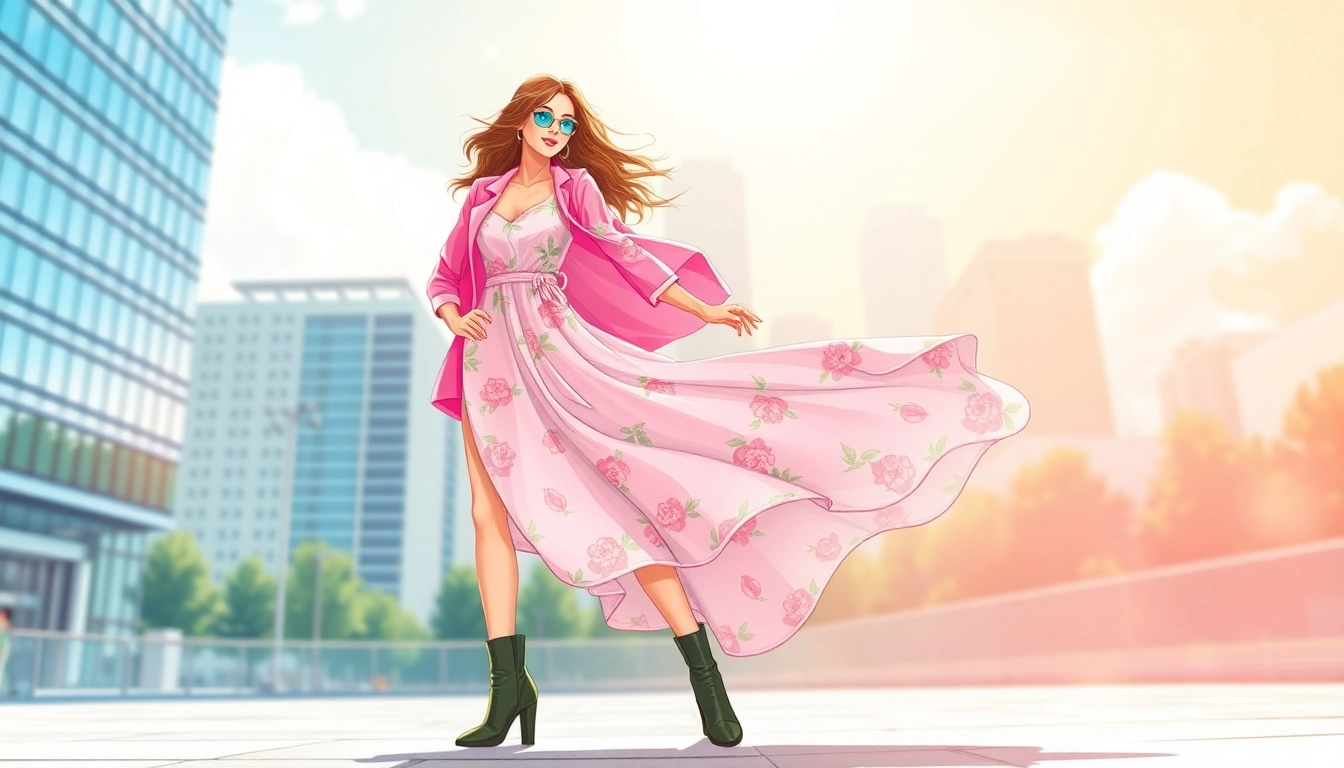
Understanding Women Fashion: The Basics
Women fashion is more than just clothing; it’s a powerful form of self-expression that reflects personal identity, cultural influences, and societal trends. The evolution of women fashion is a fascinating journey that intertwines history, art, and societal shifts. Today, women fashion encompasses a diverse array of styles, fabrics, and cultural influences. By understanding the fundamental aspects of women fashion, individuals can better navigate the complexities of personal style and make informed choices. From the chic elegance of a tailored suit to the laid-back vibes of casual streetwear, the world of women fashion is truly vast and vibrant. For deeper insights, explore the dynamic landscape of Women Fashion.
What Defines Women Fashion Today?
Today’s women fashion can be defined by a blend of modern aesthetics and timeless appeal. Key factors include:
- Diversity of Styles: From bohemian to minimalist, contemporary fashion embraces various styles to cater to diverse preferences.
- Sustainability: The increased awareness around sustainable practices has shaped modern fashion, with eco-friendly fabrics gaining popularity.
- Cultural Influences: Globalization contributes to the fusion of styles, creating hybrid looks that draw inspiration from around the world.
- Inclusivity: Brands are increasingly focusing on inclusivity, offering sizes and styles that cater to all body types.
History and Evolution of Women Fashion
The history of women fashion is extensive, tracing back to ancient civilizations where clothing indicated social status. Over centuries, women’s clothing has evolved significantly:
- Medieval Period: Garments were made from heavy fabrics, featuring voluminous skirts, long sleeves, and intricate detailing.
- Renaissance: Fashion saw vivid colors and luxurious fabrics, with women adornments emphasizing wealth.
- 19th Century: The industrial revolution enabled mass production, leading to more diverse options for women.
- Modern Era: The flapper era, post-war fashion, and the rise of street style reflect monumental shifts toward individuality and self-expression in women’s fashion.
Key Elements of a Fashionable Wardrobe
A fashionable wardrobe is not only about aesthetics but also about versatility and personal flair. Key elements include:
- Essential Basics: High-quality basics like white t-shirts, jeans, and blazers serve as versatile foundations for various outfits.
- Statement Pieces: Unique items such as standout dresses or bold accessories can elevate an outfit.
- Layering Options: Pieces that can be layered, such as cardigans and scarves, offer style versatility across seasons.
- Footwear: Shoes can make or break an outfit; a range from sneakers to heels ensures readiness for any occasion.
Identifying Trends in Women Fashion
Current Trends: What’s Hot in Women Fashion?
Keeping abreast of current trends is essential for anyone looking to enhance their wardrobe. Notable trends this season include:
- Oversized Silhouettes: From blazers to trousers, oversized cuts are making a statement for comfort and style.
- Cut-Outs: This trend reimagines traditional pieces with strategic cut-outs, providing a fresh and modern twist.
- Chunky Footwear: Platform shoes and chunky boots are popular, adding an edgy flair to outfits.
- Puff Sleeves: Romantic puff sleeves are resurging, bringing femininity back to fashion.
Color Palettes Dominating This Season
This season’s color palettes are defined by vibrant hues and earthy tones:
- Bold Colors: Shades like electric blue, neon green, and vivid orange add excitement to any wardrobe.
- Pastels: Soft colors such as lavender and mint offer a gentle look, perfect for spring and summer.
- Earth Tones: Rich browns, olive greens, and deep burgundies resonate with the current movement towards sustainability.
Popular Styles and Patterns for Women Clothing
Fashion styles are often dictated by the patterns and prints of the season. Popular styles include:
- Floral Prints: These remain timeless, mimicking nature and adding a soft touch to outfits.
- Animal Prints: Fierce leopard and snake prints are bold choices that are currently on-trend.
- Geometric Patterns: Stripes and checks are versatile patterns that can be both formal and casual.
- Textured Fabrics: Fabrics like lace, tulle, and knits add depth and character to clothing.
Shopping for Women Fashion: A Guide
Top Online Stores for Women Fashion
The digital marketplace offers an abundance of fashion options. Here are some of the top online stores:
- Nordstrom: Known for its wide array of brands, Nordstrom provides quality and variety with a great return policy.
- Express: A go-to for trendy, work-appropriate attire that transitions well to casual settings.
- ASOS: Offers a wide range of styles, including exclusive items, catering to varied budgets.
- Nasty Gal: Targets fashion-forward individuals looking for bold statement pieces.
- PrettyLittleThing: A budget-friendly option focused on the latest trends and styles.
How to Make Smart Fashion Purchases
Making informed fashion purchases can save money and enhance your wardrobe. Here are some tips:
- Quality Over Quantity: Invest in fewer high-quality pieces that last longer as opposed to low-quality fashion staples.
- Research: Check online reviews before making a purchase to understand the experience of other customers.
- Returns Policy: Make purchases from retailers with flexible return policies to allow for size and fit adjustments.
- Sales Periods: Utilize seasonal sales and clearance sections to find deals on high-quality pieces.
Understanding Sizing and Fit in Women Fashion
Understanding how clothing fits can make a significant difference in how you feel in your outfits:
- Know Your Measurements: Regularly measure your bust, waist, and hips to find your size and fit accurately.
- Try Before You Buy: If possible, always try on clothes in-store to assess the fit and feel before buying.
- Read Sizing Guides: Different brands have varying sizes; always refer to the specific brand’s size guide.
- Consider Tailoring: Don’t hesitate to alter pieces to achieve the perfect fit; even minor adjustments can enhance your overall style.
Accessorizing Your Women Fashion Look
Must-Have Accessories for Women Outfits
Accessories can elevate any outfit, adding personal flair and style. Essential accessories include:
- Handbags: A stylish handbag can complete your look; consider investing in a classic design.
- Jewelry: Statement jewelry, whether it be bold earrings or layered necklaces, can draw attention and add character.
- Belts: Belts can define your waist, creating a flattering silhouette.
- Hats: A chic hat can add a touch of sophistication and style, perfect for various occasions.
Layering Techniques with Women Fashion
Layering is not just practical for temperature control; it allows for creative expression. Here are effective layering techniques:
- Mix Textures: Combine different textures, such as knits with leather or denim to create an interesting visual contrast.
- Play with Lengths: Layering long and short garments can create visual interest; for example, wear a long cardigan over a cropped top.
- Use Lightweight Fabrics: Opt for lightweight layers that can be added or removed with ease, maintaining comfort.
- Accessorize Wisely: Use scarves and statement jewelry to enhance layered looks without overpowering them.
Footwear Choices to Elevate Your Style
Footwear can greatly influence the overall feel of an outfit. Some footwear options to consider include:
- Classic Heels: A pair of classic pumps can elevate a formal look, perfect for professional settings or parties.
- Trendy Sneakers: Casual sneakers can make a statement while ensuring comfort during casual outings.
- Boots: Ankle or knee-high boots add an edgy touch to both casual and formal outfits.
- Flats: Stylish flats are ideal for daytime activities, providing comfort without sacrificing style.
Sustainable Women Fashion Choices
Why Sustainability Matters in Women Fashion
The fashion industry is one of the largest contributors to environmental degradation. Therefore, sustainability in women fashion is increasingly crucial. The reasons include:
- Environmental Impact: The textile industry is responsible for significant water pollution and waste. Sustainable fashion seeks to mitigate these effects.
- Ethical Production: Sustainable brands prioritize fair labor practices, ensuring that workers are treated well.
- Longevity: Sustainable fashion tends to emphasize quality over quantity, promoting well-made garments that last longer.
How to Choose Eco-Friendly Brands
Choosing eco-friendly brands can be a rewarding experience. Here are some practical tips:
- Research Brand Values: Investigate brands’ sustainability practices and their commitment to ethical production.
- Look for Certifications: Certifications like GOTS (Global Organic Textile Standard) or Fair Trade signify ethical practices.
- Choose Second-Hand: Consider thrift shopping or second-hand boutiques to reduce waste and promote circular fashion.
- Support Local Artisans: Purchasing from local makers reduces transportation emissions and supports local economies.
Styling Your Wardrobe with Sustainable Fashion
Incorporating sustainable pieces into your wardrobe is achievable. Here’s how:
- Capsule Wardrobe: Create a capsule wardrobe using versatile, timeless pieces that can be mixed and matched easily.
- Upcycling: Consider upcycling old garments to give them a new life and style.
- Prioritize Quality: Invest in high-quality pieces that will last for years, focusing on durability and timeless design.
- Embrace Minimalism: A minimalist approach encourages thoughtful purchasing, prioritizing essential pieces that resonate with your style.