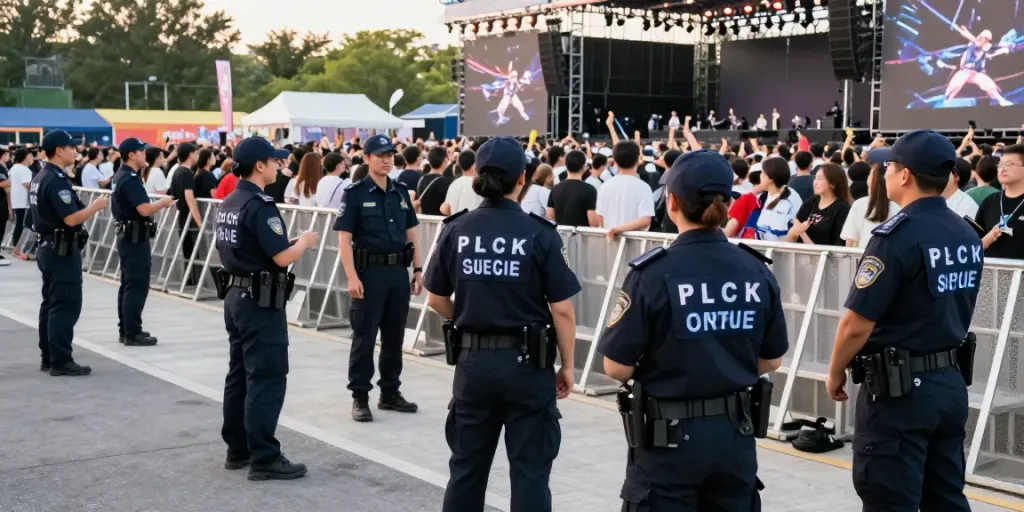
Understanding Event Security: Essential Services Explained
In today's world, the demand for effective Event Security services has never been higher. This surge stems from an increasing need for safety and order at various events, from large festivals to corporate gatherings. Proper event security not only ensures the safety of attendees but also protects the reputation of the organization hosting the event. Understanding the key components of event security and the critical role it plays can significantly enhance the effectiveness of planning and executing any event.
What is Event Security and Its Importance
Event security refers to the measures and personnel deployed to ensure safety and security during events. This encompasses various activities, including access control, crowd management, and emergency response. The importance of event security cannot be overstated; it mitigates risks associated with large gatherings such as disorderly behavior, theft, and potential violence. Furthermore, effective security planning can enhance attendee experience, ensuring that events run smoothly and that guests feel safe.
Key Services Offered by Event Security Companies
Event security companies typically offer a range of services tailored to specific needs. Common services include:
- Crowd Control: Managing attendee flow to prevent overcrowding and ensure a smooth experience.
- Access Control: Monitoring entrances and exits to ensure only authorized personnel gain entry.
- Surveillance: Utilizing cameras and patrolling personnel to deter criminal activity and monitor event proceedings.
- Emergency Response: Preparing for potential incidents by having trained personnel ready to act in emergencies.
- Risk Assessment: Evaluating potential threats to determine appropriate security measures.
Roles and Responsibilities of Event Security Personnel
Event security personnel serve as the frontline defense in maintaining a safe environment. Their roles include:
- Monitoring: Supervising the areas within and around the venue for any suspicious activity.
- Managing Entry: Checking credentials and tickets to ensure compliance with access protocols.
- Handling Conflicts: Being trained to de-escalate situations that may lead to violence or disturbances.
- Coordinating with Local Authorities: Engaging law enforcement and emergency services when necessary.
- Providing Customer Assistance: Serving as a point of contact for attendees needing help or information.
How to Choose the Right Local Event Security Provider
Selecting a local event security provider requires careful consideration of several factors to ensure effective services. Here are essential aspects to evaluate:
Evaluating Experience and Qualifications in the Industry
When choosing an event security provider, assessing their experience in the industry is crucial. Look for companies with established track records, particularly in handling events similar to yours. Qualifications such as SIA licensing and training certifications are also important indicators of reliability and professionalism.
Importance of Local Knowledge and Community Engagement
A local security provider brings invaluable knowledge of the area, including access routes, local law enforcement contacts, and community-specific issues. This insight enables better risk management and emergency planning. Additionally, community engagement reflects the provider's commitment to local safety and service quality.
Client Reviews and Testimonials as Decision Factors
Fifthly, always seek feedback from past clients. Reviews and testimonials can provide insights into the reliability and effectiveness of the security company. Look for common themes in customer satisfaction, response times, and overall service quality.
Event Security Pricing Guide: What to Expect in 2026
Understanding the potential costs associated with event security can help in budgeting effectively. Here’s what you can generally expect:
Average Costs for Different Types of Events
The pricing for event security services varies based on several factors, including the type of event, the number of attendees, and the level of security required. On average, hourly rates range from £15 to £35 per guard, with additional fees for specialized services such as surveillance or event planning.
Factors Influencing Event Security Pricing
Several factors can influence the cost of event security services, including:
- Event Size: Larger events typically require more personnel and resources, which increases costs.
- Location: Areas with higher crime rates may necessitate more robust security measures, impacting pricing.
- Type of Security Services Required: Specialized services such as armed security will drive up costs.
- Duration: Longer events incur higher labor costs, contributing to the overall expense.
- Last-Minute Requests: Hiring security at short notice can lead to increased rates.
Budgeting Tips for Event Security Services
When budgeting for event security, keep the following tips in mind:
- Get multiple quotes from various providers to compare prices.
- Clearly outline your requirements to avoid hidden charges.
- Consider bundling services for potential discounts.
- Plan for contingencies, allowing extra funds for unexpected security needs.
Licensing and Insurance: Ensuring Compliance and Safety
Understanding the compliance requirements for security services is fundamental for event organizers. The following are critical components to consider:
Understanding the Regulatory Landscape in London
In London, private security companies must adhere to regulations laid down by the Security Industry Authority (SIA). This includes holding the necessary licenses for all security personnel. Compliance enhances trust and safety for both the event organizers and attendees.
Importance of Working with Licensed Security Providers
Working with properly licensed security providers ensures adherence to industry standards. Licensed personnel have undergone rigorous background checks and training, which assures clients of their competence and professionalism.
Insurance Considerations for Event Security
Ensure that your chosen security provider carries adequate insurance coverage. This includes liability insurance to protect against potential damages or injuries occurring during the event. Always request proof of insurance before finalizing any agreements.
FAQs About Event Security Services
As you plan your event, a few common questions may arise. Here are some frequently asked questions:
What is event security?
Event security encompasses the planning and implementation of measures to protect attendees and property at events, including crowd control, access management, and emergency protocols.
How much do security guards get paid for a party?
On average, security guards are paid between £12 and £20 per hour, depending on their experience, the nature of the event, and the specific duties assigned to them.
How to become a security guard for events?
To become a security guard for events, one typically needs to complete the necessary training and obtain SIA licensing. For more information, Event Security offers valuable insights. Prospective guards should also gain experience in crowd management and emergency procedures.